Photography that keeps up with a tasting menu
Your plating changes with the season. Your photos should change with it — without booking a shoot every six weeks.
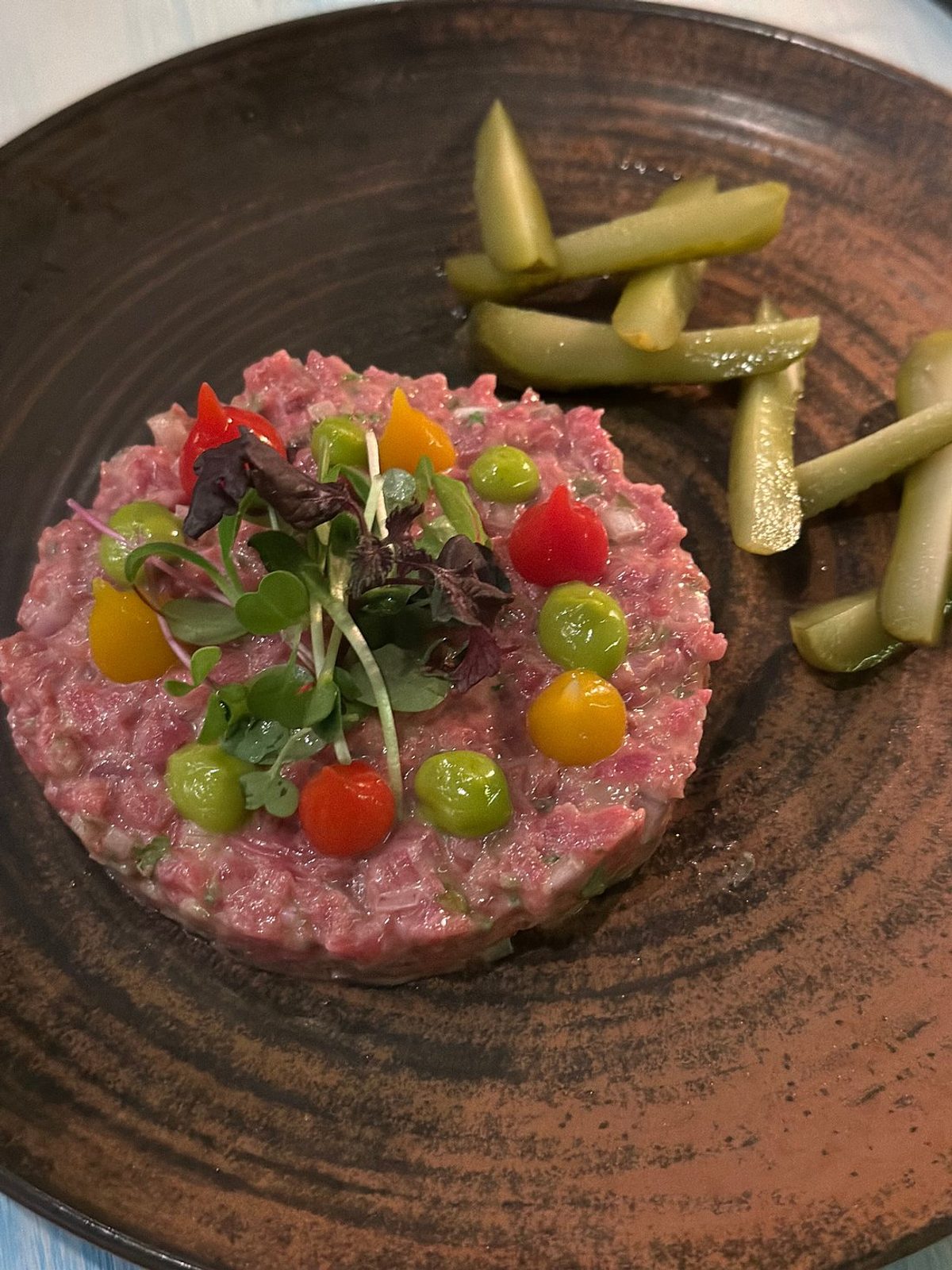
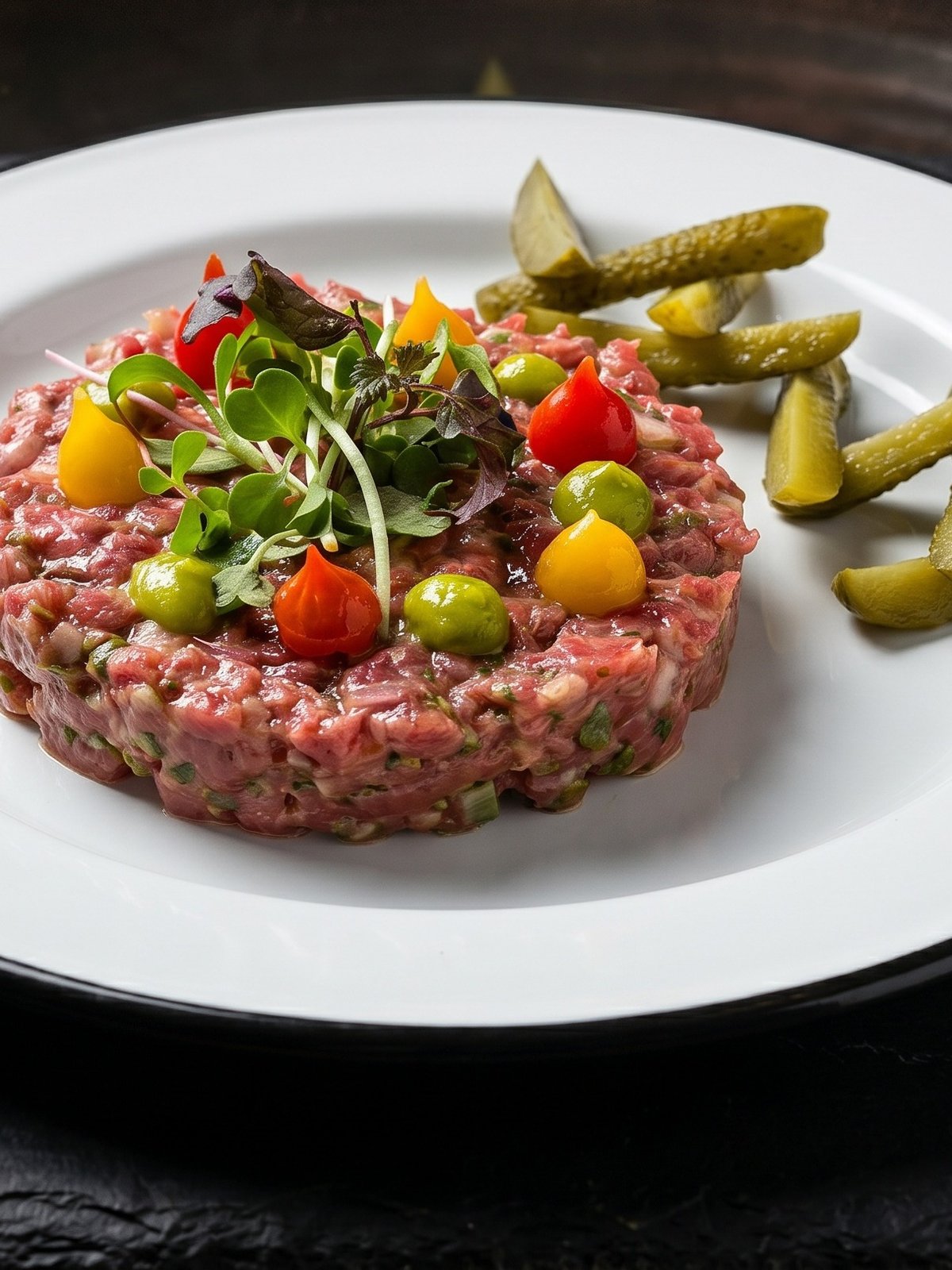
Fine dining rooms are lit for guests, not cameras: candlelight and dim warm spots that turn micro herbs black, wash sauce work into shadow, and put an orange cast over porcelain you chose for its whiteness. And the menu never sits still — a new tasting menu each season means the beautiful set from March is irrelevant by June, and no kitchen books a photographer eight times a year. PlateRefresh relights the plate exactly as your chef sent it: every tweezer placement, every dot of gel, every deliberate piece of negative space stays untouched. What changes is the light — lifted to the level the plating was designed for.
The detail work finally reads
Precision plating dies in murky light. The relight pulls the shadow detail back so the layers in a terrine, the sheen on a glaze and the structure of a quenelle read clearly — the difference between a photo that says 'brown food in a dark room' and one that shows the hour of work on the plate.
Nothing added, and that matters more here
At this level, an invented garnish is not a shortcut, it's a lie about the chef's work. The pipeline is constrained to preserve the dish: same components, same placement, same portion, same angle. Guests who photograph their plates — and at a tasting menu, all of them do — see the dish they were promised.
New menu, same evening
Shoot each course at the pass during a quiet Tuesday tasting, upload the batch, and the full menu is photographed before close. When the menu turns over next season, repeat — no scheduling, no day rate, no waiting two weeks for retouched files while the new menu runs photo-less.
Phone in, menu shot out.
Snap it
Take a phone photo of the real dish — straight off the pass.
Relight & refine
We relight and lightly enhance the food you actually cooked — sharper texture, fresher look. Nothing added, nothing faked.
Ship it
Download in ~30 seconds and upload it to your menu.
Good to know.
Our plating is precise. Will the AI move or 'improve' anything?
No. The model is constrained to keep the dish exactly as plated — placement, components, negative space, portion. It changes light, colour balance and the surface around the plate. If a result ever altered the food, the credit comes back; that constraint is the product.
Can it handle very dark, moody dining rooms?
Dim warm light is the standard starting point we deal with. As long as the plate is in focus and not pure black in the shadows, the relight recovers detail and corrects the candlelight cast. Genuinely underexposed frames with no detail left should be reshot — near a window or a doorway is enough.
We change the menu seasonally. What does that cost per turnover?
A ten-course tasting menu is ten credits — a few dollars per season, against the several hundred per course a specialist food photographer charges. Most fine-dining kitchens keep a small credit pack and reshoot the menu the week it changes.
Do the photos suit a website and press use, not just delivery apps?
Yes. Output is 2K standard with 4K available, licensed commercially — site, press kits, print menus, reservations platforms. Fine-dining venues mostly skip the delivery-tile crops and use the full frames.
Your next menu photo is one shot away.
No subscription to start. Test Mode is a one-time $9.99 — relight your real dishes and see them on your menu today.
Start for $9.99