Menu photos for Greek restaurants and tavernas
Greek food is sunlight food. Your menu photos should look like it — even when they were shot in a basement kitchen in November.
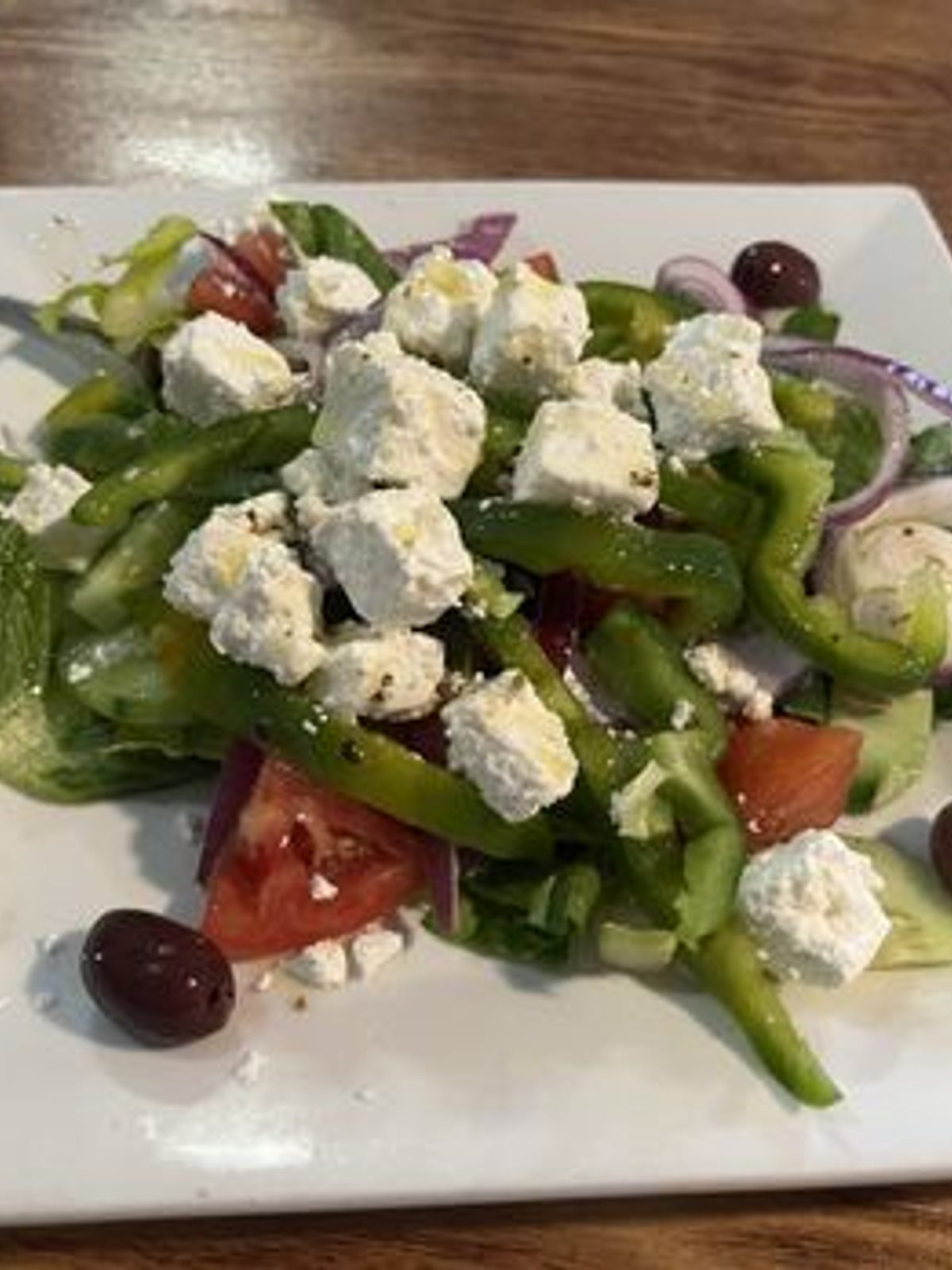
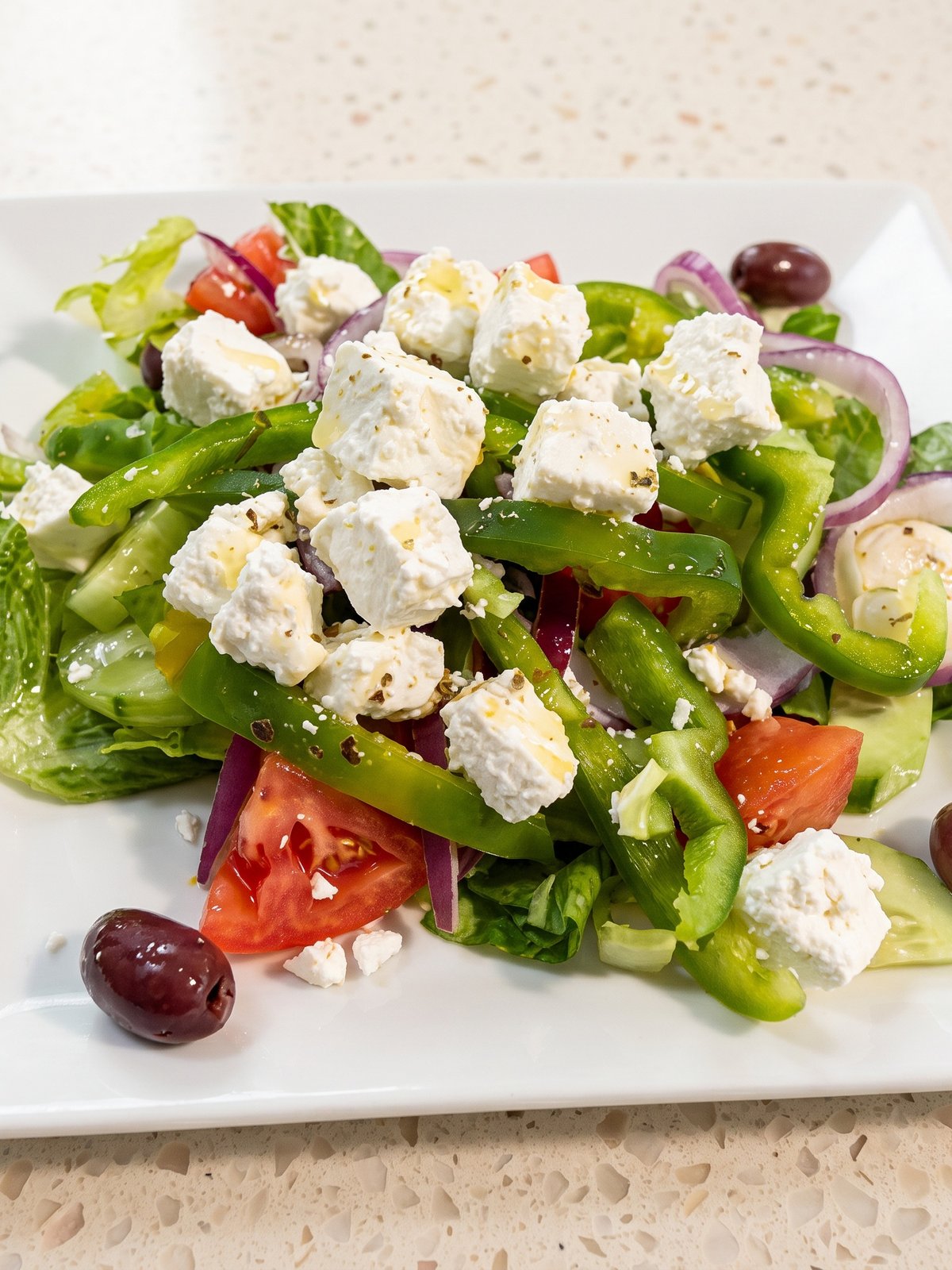
The whole visual promise of Greek food is brightness: white plates, blistered octopus, glistening olive oil, feta against tomatoes. Under restaurant lighting that promise collapses — the whites go dingy yellow, the oil sheen turns to murky glare, and moussaka becomes an undifferentiated brown block where nobody can see the layers. Gyros and souvlaki have it worst: handheld, wrapped, photographed in a hurry, and looking like it. PlateRefresh takes the dish you actually plated and relights it into the clean, sun-washed register Greek food trades on. The portion, the garnish, the char on the meat — all exactly yours. Just finally lit like it's summer.
White plates that read white
Greek plating leans on white ceramics and bright ingredients, and warm bulbs stain all of it yellow. Colour correction brings the whites back to true, which makes everything on the plate — the tomatoes, the feta, the greens — snap into the fresh, coastal look the cuisine is sold on.
Layers and char, made legible
Moussaka, pastitsio and grilled meats are brown food, and brown food needs directional light to show its structure. The relight puts shape back into the layers and makes grill marks read as fire rather than shadow, so the hero dishes stop photographing like casserole and start photographing like the reason people come.
A full taverna menu in one afternoon
Mezze-driven menus run long — twenty small plates before the mains start. Shoot them as they come off the pass during prep, upload as one batch, and the whole spread comes back matched: same light, same warmth, same table. Delivery tiles, the chalkboard-menu website and Instagram all pull from one coherent set.
Phone in, menu shot out.
Snap it
Take a phone photo of the real dish — straight off the pass.
Relight & refine
We relight and lightly enhance the food you actually cooked — sharper texture, fresher look. Nothing added, nothing faked.
Ship it
Download in ~30 seconds and upload it to your menu.
Good to know.
Can it make dishes look sunlit when the restaurant has no natural light?
Yes — that's the core of what relighting means. The model rebuilds the lighting around your real dish into a bright, soft, daylight character. It can't invent detail that was never captured, so shoot in focus, but the sunshine itself doesn't need to be in the room.
Wrapped gyros never photographs well for us. Any hope?
Wrapped and handheld food benefits most from a clean relight. Shoot it propped, cut side toward the camera so the filling shows, and the tool sorts the light and background. What was on the wrap stays on the wrap — nothing gets stuffed in digitally.
Will the olive oil sheen survive, or get blasted to white?
It gets recovered, not removed. Oil sheen is appetite appeal — the relight pulls blown glare back into a controlled gloss so drizzled dishes look lush instead of greasy or burnt-out. That's one of the most visible single improvements on Mediterranean plates.
Is this within delivery platform photo rules?
Yes. Platforms prohibit photos that misrepresent the dish — added ingredients, inflated portions. Relighting your real plate is the same adjustment a hired photographer makes and keeps the tile honest. Same souvlaki, better light.
Your next menu photo is one shot away.
No subscription to start. Test Mode is a one-time $9.99 — relight your real dishes and see them on your menu today.
Start for $9.99