July 17, 2026
How to choose a food photographer: what I'd look for in a portfolio
Most restaurant owners hire a photographer once every few years, so nobody ever teaches you how. Here's how someone on the other side of the camera reads a portfolio.
Forget follower counts and camera models — the portfolio tells you almost everything, if you know what to look at. The goal isn't to find the 'best' photographer; it's to find the one whose work already looks like what your restaurant needs.
Read the portfolio like a photographer
- Look for consistency across a whole set, not one lucky frame. Anyone gets one great shot; a pro delivers thirty that match.
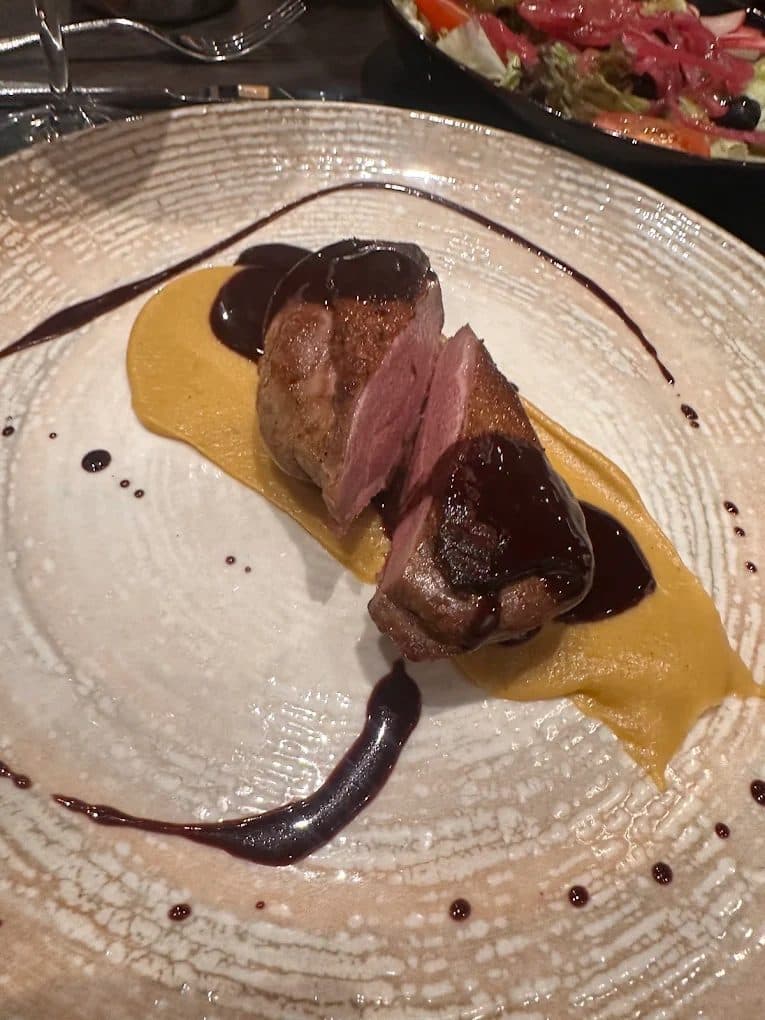
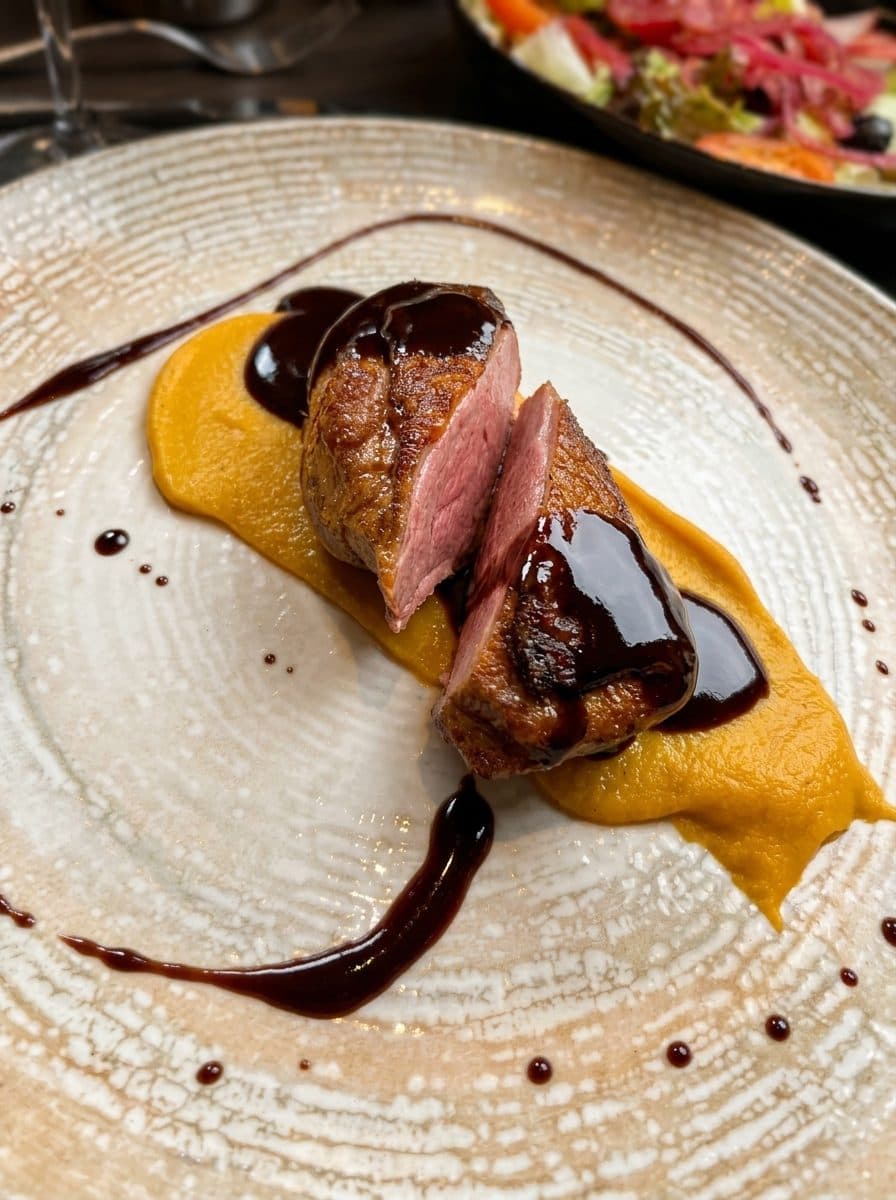
- Zoom into texture. Can you see the crumb of the bread, the char on the meat, the gloss on the sauce? Texture is what makes food photography hard.
- Check for real restaurant dishes, not just editorial still life. A moody magazine spread and a Wolt menu tile are different crafts.
- Look at freshness. Salads still standing, steam where steam belongs, herbs that haven't wilted — that tells you they shoot fast and know food dies in minutes.
- Find dishes like yours. If you sell burgers and their portfolio is all fine-dining tweezer plates, the style won't transfer automatically.
Match the style to where the photos will live
This is the mismatch I see most often. Delivery platforms want bright, clean, appetite-first images that survive being 300 pixels wide on a phone. Social media rewards mood and atmosphere. A printed menu wants a calm, consistent series. A photographer whose portfolio is all dark, dramatic fine-dining work can be genuinely excellent and still be the wrong hire for your Wolt listing.
Decide where the images will actually be used before you shortlist anyone, then pick the portfolio that already lives there.
Green flags and red flags
From years of watching these hires go well and badly:
- Green: they ask about your menu, your customers and where the images will be used before quoting.
- Green: they propose a shot list and talk about kitchen logistics — that's someone who has shot in a real restaurant.
- Green: licensing and number of final images are stated upfront, in writing.
- Red: the portfolio is weddings, products, portraits and two plates of pasta. Food is a specialisation, not a checkbox.
- Red: heavy filters on every food shot. Filters hide weak lighting, and weak lighting is fatal for food.
- Red: no talk of usage rights. That conversation always happens — better before the invoice than after.
One last filter: how they talk about your food
On the first call, a good food photographer asks what the dish is, how it's plated, what makes it yours. Someone who talks only about gear and presets will photograph their setup, not your cooking.
And once the shoot is done: menus change faster than photo budgets. For the dishes you add between shoots, PlateRefresh relights your own phone photo to match studio quality — same plate, same honesty — so a great photographer's set doesn't slowly degrade into a patchwork.