July 7, 2026
AI food photos and the EU AI Act: what restaurants must know
From 2 August 2026, the EU AI Act's transparency obligations apply to AI-generated and AI-manipulated images. If your menu photos are AI-enhanced, here's what that means in practice — it's less scary than it sounds.
Article 50 of the EU AI Act (Regulation (EU) 2024/1689) requires that AI-generated or AI-manipulated image content be marked in a machine-readable format, so that software — platforms, browsers, regulators — can detect that AI was involved. The obligation sits primarily with the provider of the AI system, and the marking must be embedded in the output itself.
What it means for a restaurant
If you use an AI tool on your menu photos, the images should carry embedded provenance metadata saying so. You don't need a visible 'AI' sticker on a relit dish photo in most cases — the legal bar for this category is the machine-readable marking. What you should never do is use AI to fake the product itself: an image that misleads customers about what they'll receive is a consumer-protection problem regardless of the AI Act.
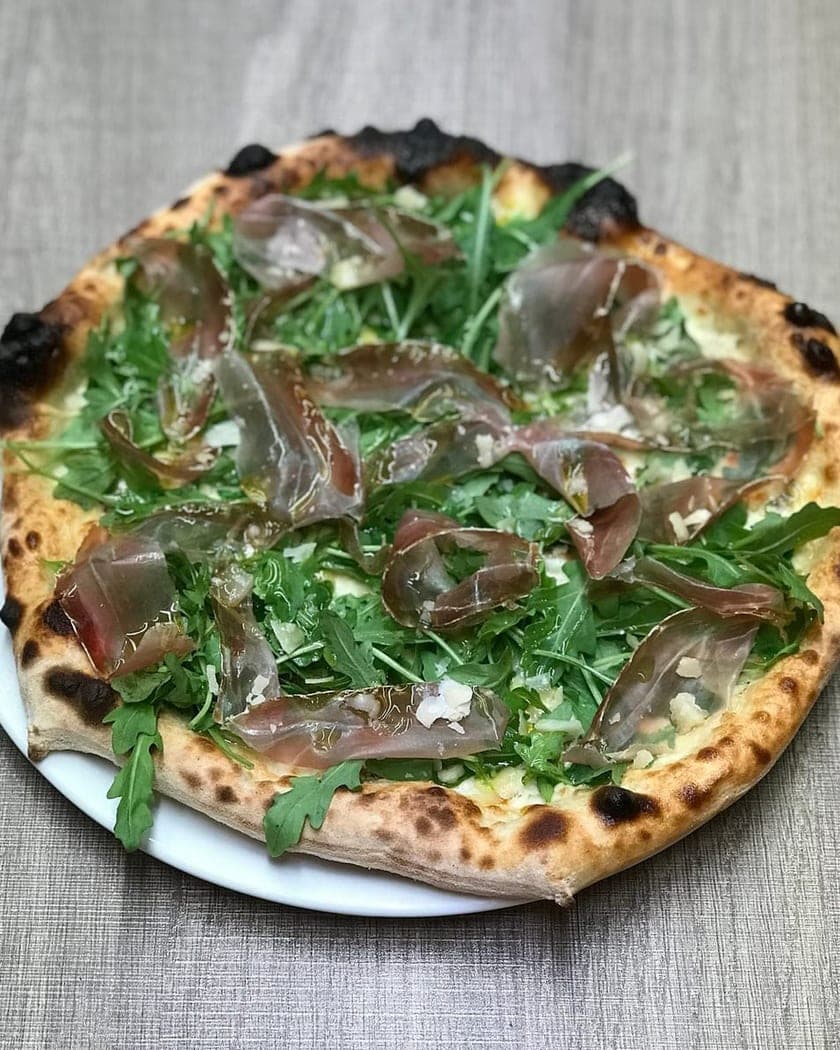
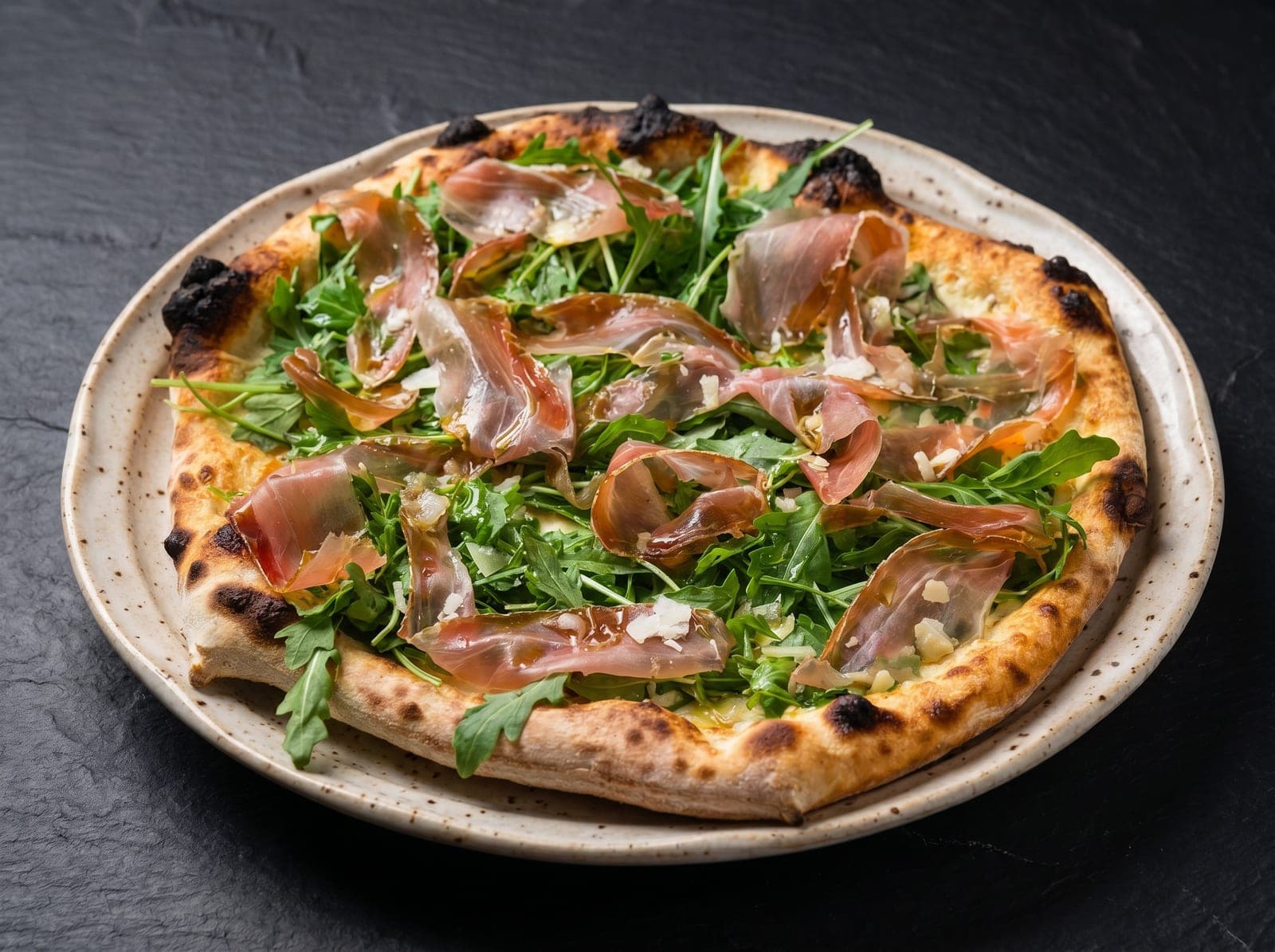
This is also why honest AI enhancement — relighting the dish you actually cooked — is the safe lane. The dish in the photo is the dish in the box; the AI touched the lighting, not the food.
How PlateRefresh complies
Every image PlateRefresh produces ships with embedded machine-readable disclosure metadata identifying it as AI-enhanced, written into the file itself at generation time. You don't have to do anything — download the photo and the marking travels with it. Full details of the exact fields we embed are on our AI usage page at platerefresh.com/ai-usage.
One honest caveat: platforms and social networks sometimes strip image metadata on upload. The Act's obligation is to mark the output at the point of generation, which is what we do; industry-wide preservation of provenance (C2PA and friends) is still maturing.
The practical checklist
- Use AI tools that embed machine-readable disclosure in their outputs (ask the vendor — they should answer in one sentence).
- Never let AI add, remove, or resize food in the photo — enhance the real dish only.
- Keep the original phone photo; it's your evidence that the enhanced image matches reality.
- If you post AI-enhanced images where a disclosure toggle exists (e.g. some social platforms), use it.